One Path.
Infinite Possibilities.
Discover age-inclusive programs designed to evolve with your child’s curiosity, from foundational logic to advanced robotics.
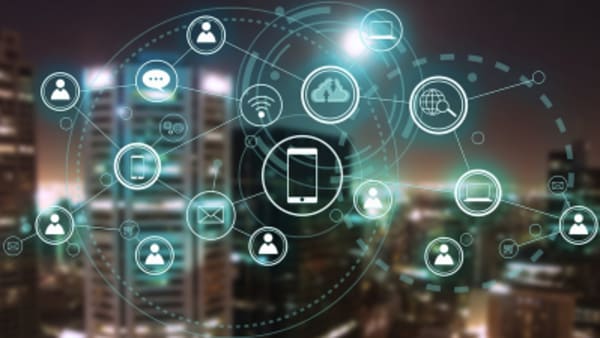
Internet of Things
JR Tinker’s STEM curriculum explicitly includes an IoT course as part of their offerings in robotics, visual coding, AI fundamentals, and more Tailored for children, this online course introduces young learners (typically aged 8–14) to Internet of Things concepts through hands-on experiments. They’ll explore how everyday devices can be connected, programmed to gather sensor data (like temperature, motion, or soil moisture), transmit it to the cloud, and even automate tasks like lighting or alerts. The structure of the JR Tinker IoT course is carefully designed to be approachable yet future-focused. It begins with simple projects—learning what IoT is, how sensors function, and basic circuits. Progressing further, students learn microcontroller programming (using friendly platforms like Arduino or ESP modules) to collect sensor input. The final modules emphasize data handling—sending and retrieving information from the cloud—and automating systems, such as creating smart home features or plant-monitoring devices. This course is one of the best courses for the future, equipping children with vital skills across electronics, programming, cloud computing, and systems thinking. By engaging in IoT early on, kids develop creativity, computational thinking, and confidence in prototyping ideas that blend the physical and digital world. These are foundational abilities relevant to emerging fields like smart homes, environmental monitoring, wearable tech, and robotics. Beyond immediate learning, the long-term benefits are substantial. Students gain real-world experience in designing end-to-end systems—writing code, wiring sensors, integrating cloud platforms, and interpreting data. This not only enhances STEM aptitude but also nurtures problem-solving, logical reasoning, and project development skills. Such experience builds a strong foundation for future studies in computer science, engineering, data science, and AI. Overall, JR Tinker’s Internet of Things online course stands out as a future-ready, hands-on learning path. It blends theory with creative problem-solving and real-world application—ideal for young innovators. If you're interested, you might explore the course details further or ask about sample projects, kit requirements, or certifications.

Robotics Fundamentals
Students learn the basics of robotics using engaging kits and tools. This course covers simple mechanics, electronics, and coding to help students design and program robots. It lays a strong foundation in STEM concepts while enhancing logical thinking, teamwork, and innovation skills in a fun, practical environment.
Python for Begginers
Perfect for teens starting their coding journey, this course introduces Python programming basics such as variables, loops, functions, and decision-making. Students build fun projects like calculators and games while developing logical thinking and problem-solving skills essential for future software development and automation careers.

Digital Litteracy
Students gain essential digital skills including internet safety, email etiquette, online research, and basic office tools. This course ensures that young learners become responsible digital citizens and confident technology users, preparing them for academic tasks and future digital communication needs in school and beyond.

3D Modeling & Printing
In this course, students learn to design 3D models using software like Tinkercad or Fusion 360 and bring them to life with 3D printers. It develops spatial thinking, creativity, and prototyping skills while introducing learners to engineering, product design, and manufacturing basics through hands-on projects.

Arduino Masters Course
This course teaches microcontroller programming and electronics using Arduino. Students build hands-on projects like smart lighting and sensors, learning how to write and upload code, connect components, and debug circuits. It’s a gateway to embedded systems, robotics, and real-world problem-solving using open-source hardware.

STEM Learning
This course introduces students to the exciting world of Science, Technology, Engineering, and Mathematics through hands-on experiments and activities. Designed to build problem-solving, creativity, and collaboration, it encourages young minds to explore real-world challenges using interactive projects aligned with their grade and understanding level.
Visual Block coding for Beginners
This beginner-friendly course introduces coding through visual block-based platforms like Scratch or Code.org. Students learn logical thinking, animation, and game design without writing code. It’s a creative and interactive way to develop computational thinking and digital confidence at an early age.

Financial Litteracy & Entrepreneurship
This course teaches young learners about money management, saving, budgeting, and business basics. Students explore entrepreneurship through interactive simulations and case studies, helping them develop financial confidence and leadership skills for the future. It encourages critical thinking, planning, and real-world problem-solving.

Began with Respberry Pi
An introductory course into computing and electronics using Raspberry Pi. Students learn Python programming, Linux basics, GPIO interfacing, and create exciting IoT projects. It empowers learners to explore real-world applications like automation, AI, and networking, bridging the gap between hardware and software development.
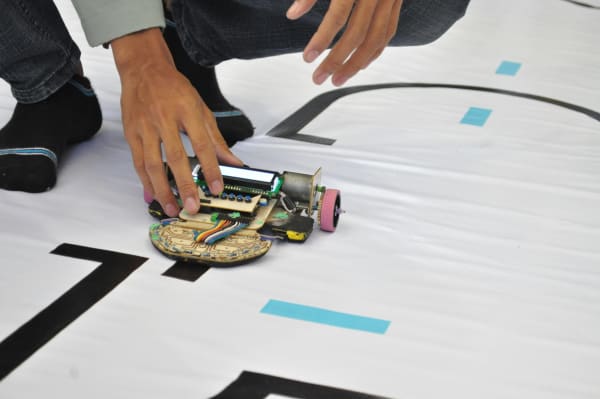
Advance Robotics
Designed for teens and young adults, this course dives into advanced robotics concepts like automation, sensors, and control systems. Learners work on real-world projects using microcontrollers, actuators, and wireless communication, preparing them for careers in technology and robotics competitions or higher technical education.

Advance Python
This course builds upon Python fundamentals and explores advanced topics like object-oriented programming, file handling, data analysis, and GUI applications. Students solve real-life problems using Python and work on mini-projects, helping them become proficient developers ready for internships, tech competitions, or college-level programming.

Drone & Aviation Fundamentals
Students explore drone technology, aerodynamics, and flight principles in this beginner aviation course. They learn to assemble, program, and pilot drones safely, while understanding real-world drone applications. It’s a perfect introduction to careers in aerospace, logistics, and surveillance industries with fun, flight-based learning.
Hands-on Kits Included • Certified Instructors • 2026 Curriculum